
Similarities and Differences Between Greek and Roman Gods
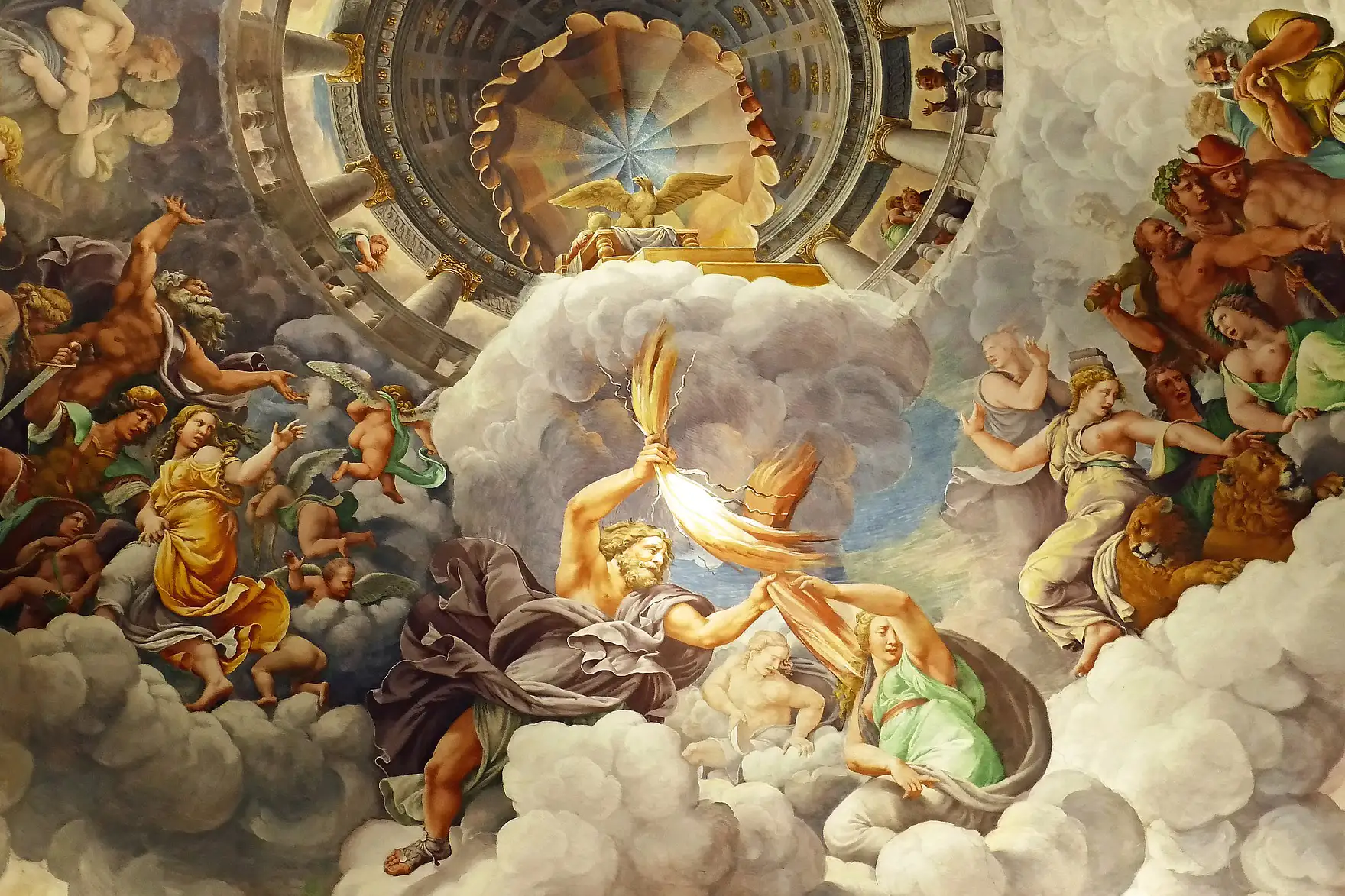
The pantheons of ancient Greece and Rome hold a timeless place in world mythology. Although they share many overlapping features, they also differ in significant ways. Because the Romans borrowed heavily from Greek mythology, many gods appear nearly identical at first glance. Yet, when examined closely, each culture shaped its gods according to its own values, priorities, and worldview.
This article explores both the similarities and the differences between Greek and Roman gods, highlighting their origins, characteristics, and cultural roles. As you read, you will notice how myths evolve as they move across cultures and how religion reflects the identity of the people who shape it.
Why Greek and Roman Gods Seem So Similar
The similarities between Greek and Roman gods exist for a clear historical reason. When the Romans encountered Greek culture—especially through trade, literature, and conquest—they admired Greek art, philosophy, and theology. Therefore, they adopted Greek gods and adapted them to fit Roman beliefs.
Shared Roles and Functions
Because of this cultural exchange, many Greek deities have direct Roman equivalents:
- Zeus corresponds to Jupiter, both kings of the gods.
- Hera matches Juno, protectors of marriage.
- Aphrodite aligns with Venus, representing beauty and desire.
- Ares parallels Mars, both gods of war.
- Hermes corresponds to Mercury, the divine messengers.
Although their names change, their domains remain recognizable. Because of this consistency, students often assume the gods are identical. Yet, the deeper you go, the more differences emerge.
Similar Mythological Narratives
Greek and Roman myths also share many storylines. Tales about the birth of the gods, the judgment of Paris, the Trojan War, or heroic adventures appear in both cultures. The Romans often retold Greek stories but reshaped them to reflect Roman ideals such as discipline, duty, and state loyalty.
For an accessible archive of classical myths, visit:
Theoi Project – https://www.theoi.com
Key Differences Between Greek and Roman Gods
Although Greek and Roman gods share similar roles, they differ in important ways. These differences reveal unique cultural values and help explain how each civilization understood the divine.
1. Personality vs. Function
Greek gods often have strong personalities. They display emotions, flaws, jealousy, humor, and passion. For example, Apollo appears creative, temperamental, and highly expressive. Likewise, Dionysus embodies freedom, ecstasy, and chaos.
In contrast, Roman gods are more symbolic and less emotional. They represent abstract forces or ideals essential to the Roman state. Mars, for instance, symbolizes military power and civic duty rather than impulsive violence.
Therefore, Greek gods feel more human, while Roman gods feel more authoritative and nationalistic.
2. Cultural Priorities
The Greeks valued philosophy, art, and individual expression. As a result, their deities reflect beauty, passion, and flawed humanity. Greek myths explore questions about fate, virtue, desire, and personal struggle.
The Romans, however, emphasized discipline, duty, and political order. Their gods support the ideals of the Roman Republic and later the empire. Because of this, Roman religion feels more formal and collective.
3. Different Attitudes Toward War
The contrast between Ares and Mars is especially striking.
- Ares represents chaos, bloodlust, and destruction—qualities the Greeks viewed with suspicion.
- Mars represents glory, protection, and state power—qualities the Romans admired.
This single example shows how each culture shaped divine identity according to its values.
4. Artistic Depictions
Greek art highlights ideal beauty. Gods appear youthful, athletic, and expressive. Because Greek artists loved realism and emotional detail, deities often look graceful and vibrant.
Roman art, however, emphasizes power, dignity, and authority. Statues of Jupiter or Juno often look majestic and stern.
5. Naming and Linguistic Differences
Names differ not only because of language but also because Romans sometimes adapted Greek attributes to fit native Italian deities. Consequently:
- Hades merges into Pluto, adding associations with wealth.
- Artemis becomes Diana, reflecting Roman ideals of purity and civic morality.
6. Religious Practice
Greek religion centered on storytelling, festivals, and artistic expression. The Greeks interacted with their gods through ritual but also through poetry and drama.
Roman religion focused on state ceremonies and civic responsibility. Proper ritual, known as pax deorum (“peace with the gods”), ensured the safety and prosperity of the empire.
For an introduction to Roman religion, see:
British Museum – Roman Beliefs: https://britishmuseum.org
Similarities That Define Both Mythologies
Although the differences are significant, the two pantheons share important common ground.
Shared Cosmology
Both traditions believe in:
- A high god (Zeus/Jupiter)
- A divine queen (Hera/Juno)
- A sea god (Poseidon / Neptune)
- An underworld god (Hades/Pluto)
- A goddess of love (Aphrodite/Venus)
- A god of war (Ares/Mars)
- A messenger god (Hermes/Mercury)
These structural similarities show how closely connected the mythologies are.
Shared Themes
Both myth systems explore:
- Heroism and destiny
- Divine justice
- The role of fate
- Human-divine relationships
- The search for meaning
These shared themes help explain why the stories remain influential today.
Conclusion: Two Cultures, One Legacy
The similarities and differences between Greek and Roman gods show how mythology adapts to cultural identity. Greek gods express beauty, emotion, and complexity. Roman gods express power, duty, and order. Because both pantheons shaped Western literature, art, and philosophy, they continue to influence modern culture.
When studied side by side, these mythologies reveal how ideas evolve across civilizations. They remind us that stories travel, transform, and inspire new generations.