
Organic Methods of Control of Dermanyssus gallinae in Commercial Chicken Populations
The organic methods of control of Dermanyssus gallinae—commonly known as red mites—are gaining attention in the commercial poultry industry. These blood-feeding ectoparasites cause severe discomfort in chickens and can significantly reduce egg production, compromise immune response, and even lead to death in extreme infestations. Given growing consumer demand for chemical-free poultry products, organic control strategies offer a sustainable and effective alternative.
Understanding the Threat of Dermanyssus gallinae
Dermanyssus gallinae are nocturnal mites that hide in crevices during the day and feed on birds at night. They reproduce rapidly and can quickly infest entire poultry houses. Mite infestations cause:
- Feather loss
- Weight loss
- Anaemia
- Behavioral changes (restlessness, reduced laying)
In commercial settings, untreated outbreaks can lead to high economic losses and increased mortality.
Effective Organic Control Strategies
To manage red mite infestations without synthetic chemicals, poultry farmers can use the following organic and natural solutions:
1. Diatomaceous Earth (DE)
This fine, fossilized algae powder damages the exoskeleton of mites, causing dehydration and death. Farmers apply it to bedding, perches, and cracks in the housing. DE is safe for birds but must be applied carefully to avoid respiratory irritation in workers and animals.
2. Essential Oils
Oils like neem, eucalyptus, tea tree, and citronella exhibit strong repellent and acaricidal properties. Spraying diluted solutions in nesting areas or using oil-infused bedding can help deter mites. Regular application is necessary for effectiveness.
3. Silica-Based Desiccants
These products work similarly to DE by drying out mites. They’re used in powder or aerosol forms in infested areas. Unlike synthetic acaricides, they leave no harmful residues.
4. Heat Treatment
Raising the temperature inside empty poultry houses above 45°C (113°F) for several hours can kill all mite life stages. While not suitable during occupancy, it’s highly effective between flock cycles.
5. Bio-Control Using Predatory Mites
Predatory mites such as Androlaelaps casalis feed on red mites and help maintain a natural balance. These biocontrol agents are especially useful in organic systems and reduce reliance on frequent manual interventions.
6. Cleaning and Housing Design
Routine cleaning, removing organic debris, and sealing cracks help prevent mite build-up. Designing poultry houses with smooth surfaces and fewer hiding spots reduces mite reproduction.
The Benefits of Organic Mite Control
Organic methods not only reduce chemical exposure but also support animal welfare and product quality. By lowering stress and improving bird comfort, these strategies boost overall flock health, egg production, and consumer confidence in organic poultry products.
Additionally, these methods are compatible with certified organic poultry farming, aligning with global trends toward sustainability and environmental stewardship.
Conclusion: A Sustainable Future in Poultry Health
Implementing organic methods of control of Dermanyssus gallinae is not just about parasite management—it’s a commitment to healthier flocks and more sustainable farming. With integrated strategies, poultry producers can protect their birds naturally while meeting ethical standards and market demands.
Image
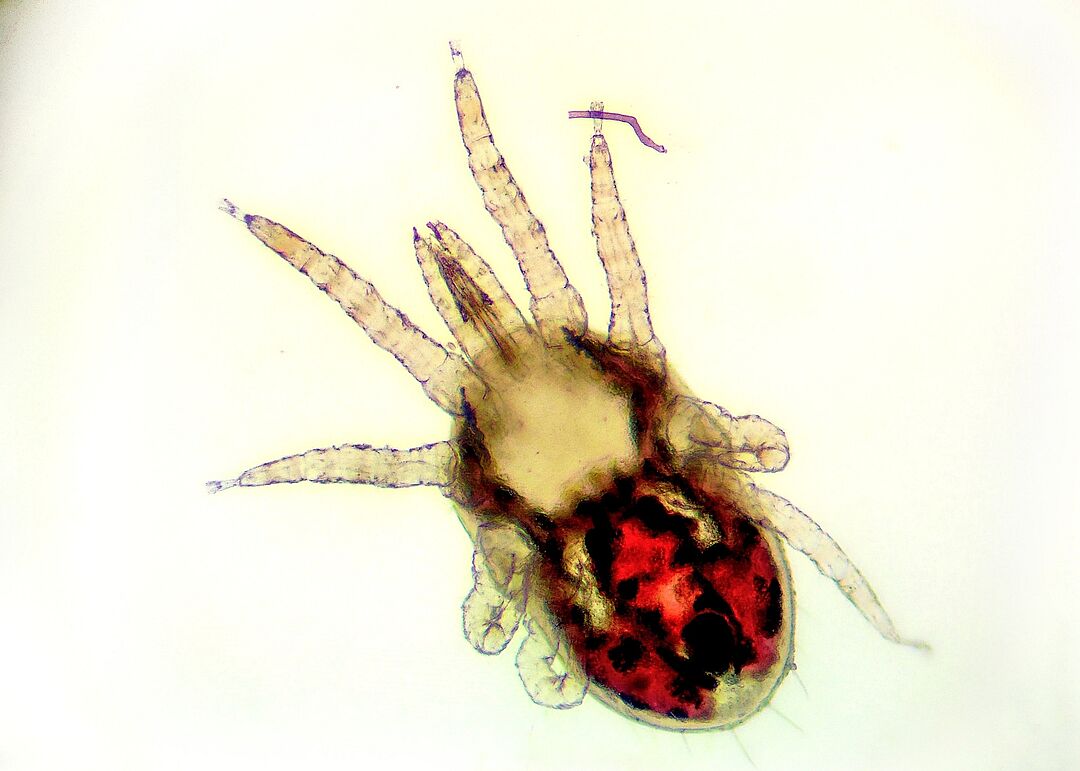
Organic methods of control of Dermanyssus gallinae in commercial chicken populations
External Links: